Hair Parting Guide: A Comprehensive Overview (Updated 12/10/2025)
Hair parting is a fundamental styling element, influencing overall look and face shape․ From classic middle parts to modern zig-zag parts, understanding techniques unlocks versatility․
Choosing the right parting considers hair type, desired volume, and facial features․ This guide explores various parting styles, braiding techniques, and advanced concepts․
Today’s date is 12/10/2025, and this comprehensive overview will help you navigate the world of hair parting with confidence and style․
Hair parting, seemingly simple, is a cornerstone of hairstyling, profoundly impacting a hairstyle’s overall aesthetic and how it complements an individual’s features․ It’s the deliberate division of hair on the scalp, creating distinct sections that define style and volume․ Historically, hair parting has evolved alongside fashion trends, reflecting cultural shifts and personal expression․
The art of hair parting extends beyond mere functionality; it’s about understanding how different parting techniques interact with hair texture, density, and face shape․ A well-executed part can enhance facial symmetry, minimize perceived flaws, and create the illusion of volume or length․ Conversely, an ill-chosen part can flatten the hair or accentuate undesirable features․
From the symmetrical elegance of a middle part to the dynamic asymmetry of a side part, the possibilities are vast․ This guide delves into the nuances of hair parting, exploring classic styles, modern variations, and practical techniques to help you achieve your desired look․ We’ll examine how to adapt parting to different hair types and face shapes, ensuring a flattering and confident result․ It’s about unlocking the potential of your hair through mindful parting․
Why Hair Parting Matters
Hair parting isn’t merely cosmetic; it significantly influences hairstyle volume, balance, and even perceived facial structure․ A strategic part can dramatically alter a look, adding lift at the roots or creating a sleek, polished finish․ It’s a foundational element that dictates how hair falls and interacts with your features․
The placement of your part impacts facial symmetry․ For example, a deep side part can elongate a round face, while a middle part suits oval or heart-shaped faces․ Understanding these principles allows for customized styling that enhances natural beauty․ Ignoring parting can lead to a flat, lifeless appearance, or accentuate features you’d prefer to minimize․
Furthermore, consistent parting in the same location can, over time, affect hair growth patterns․ Changing your part can revitalize the roots and add volume․ It’s a simple adjustment with surprisingly powerful results․ Ultimately, mastering hair parting empowers you to control your style, adapt to trends, and confidently express your individuality․ It’s a small detail with a substantial impact․
Understanding Your Hair Type for Parting
Successfully choosing a hair part hinges on understanding your hair’s texture and density․ Fine hair often benefits from a side part or diagonal part, creating the illusion of volume․ A middle part can sometimes make fine hair appear flatter․ Conversely, thick hair can handle a middle part beautifully, showcasing its fullness․

Curly and wavy hair require a different approach․ Natural curl patterns often dictate the most flattering parting․ Experimenting with a deep side part can enhance curls, while a zig-zag part adds a playful, modern touch․ Avoid overly precise parts, as they can disrupt the natural flow of curls․
Straight hair offers the most versatility, accommodating almost any parting style․ However, consider hair growth patterns and natural fall․ If your hair consistently falls to one side, working with that natural tendency will result in a more effortless look․ Ultimately, knowing your hair’s unique characteristics is key to achieving a part that complements your texture and enhances your style․
Tools You’ll Need for Perfect Parting
Achieving a crisp, clean hair part doesn’t require a professional stylist – just the right tools! A rat-tail comb is arguably the most essential․ Its fine-toothed end allows for precise sectioning and creating sharp parting lines, crucial for styles like a classic side part or a dramatic deep side part․
For those with finer hair or seeking added volume, a volumizing spray or mousse applied before parting can provide grip and lift․ A good quality hairbrush, appropriate for your hair type, is also vital for smoothing and refining the part․ Boar bristle brushes are excellent for distributing natural oils and creating a polished finish․
Consider a styling gel or hairspray for maintaining the part’s hold, especially for intricate styles like a zig-zag part․ Finally, small clips can be incredibly helpful for sectioning hair while creating the part, ensuring a neat and controlled process․
Classic Hair Parting Styles
Classic hair parting offers timeless elegance, including the symmetrical middle part, versatile side part, and dramatic deep side part․ These styles suit various face shapes․
Explore the playful zig-zag part and the asymmetric diagonal part for modern twists on traditional techniques, enhancing volume and overall look․
Middle Part: The Timeless Choice
The middle part remains a consistently popular and undeniably classic hairstyle choice, offering a symmetrical and balanced aesthetic․ It’s a style that transcends trends, proving its enduring appeal across decades and diverse hair textures; This parting technique involves creating a clean line directly down the center of the head, dividing the hair into two equal sections․

Historically, the middle part has been favored for its simplicity and ability to showcase natural hair volume and length․ It’s particularly flattering for individuals with oval, heart-shaped, and round face shapes, as it helps to create the illusion of symmetry and balance․ However, it can be adapted to suit other face shapes with slight modifications to styling and volume․
Creating a perfect middle part requires precision․ Begin by combing hair straight back and identifying the natural center․ Use a fine-tooth comb to create a clean, defined parting line․ For those struggling to find the center, using a mirror or seeking assistance can be beneficial; The middle part works beautifully with both straight and textured hair, offering a versatile foundation for various hairstyles, from sleek and polished looks to relaxed and bohemian waves․ It’s a foundational style that allows for experimentation with different textures and lengths․
Side Part: Versatility and Elegance
The side part is celebrated for its inherent versatility and timeless elegance, offering a sophisticated touch to any hairstyle․ Unlike the symmetry of a middle part, a side part introduces asymmetry, creating a dynamic and flattering look․ This technique involves dividing the hair into two sections, with a more pronounced division on one side of the head than the other․
A side part is incredibly adaptable, working well with various hair lengths, textures, and face shapes․ It’s particularly effective for adding volume and lift at the roots, creating a fuller and more voluminous appearance․ The placement of the side part can be adjusted to suit individual preferences and facial features – a deeper side part offers more drama, while a softer side part provides a more subtle effect․
Achieving a polished side part involves combing the hair in the desired direction and creating a clean parting line․ A slight backcomb at the roots can enhance volume and hold․ The classic side part offers a defined parting line that splits the hair into two sections, and it’s a style that effortlessly transitions from day to night, making it a staple in many hair routines․
Deep Side Part: For Added Drama and Face Shaping
A deep side part is a powerful styling choice, instantly injecting drama and sophistication into any hairstyle․ This technique involves creating a pronounced division far to one side of the head, resulting in a significant imbalance between the two sections of hair․ This asymmetry is the key to its impactful aesthetic․
Beyond its visual appeal, a deep side part excels at face shaping․ It’s particularly flattering for round faces, as it elongates the features and creates the illusion of a slimmer silhouette․ The off-centre parting draws attention away from fullness, adding definition and structure․ It also works beautifully on square faces, softening angular features․
Creating a deep side part requires precision․ Use a comb to establish a clean, defined line, ensuring a noticeable difference in volume between the two sections․ This style often benefits from a smoothing serum or hairspray to control flyaways and maintain its polished look․ A deep side part is an excellent choice for special occasions or when you want to make a bold statement․
Zig-Zag Part: A Modern and Playful Look
The zig-zag part represents a departure from traditional, linear partings, offering a modern and playful alternative for those seeking a unique hairstyle․ This technique involves creating a series of alternating angled lines across the scalp, resulting in a dynamic and visually interesting effect․ It’s a fantastic way to add edge and personality to any hair length or texture․
Unlike a straight part, a zig-zag parting doesn’t follow a fixed path, allowing for greater flexibility and creativity․ It’s particularly well-suited for individuals who want to experiment with their look and embrace a more unconventional style․ The zig-zag pattern adds volume and texture, making it ideal for fine or limp hair․
Achieving a clean zig-zag part requires a fine-tooth comb and a steady hand․ Start by creating a basic angled line, then continue alternating the direction of the angles across the head․ A little hairspray can help maintain the shape and prevent the lines from blurring․ This playful style is perfect for casual outings or adding a touch of fun to everyday looks․
Diagonal Part: Creating Asymmetry and Volume
The diagonal part is a versatile styling choice that introduces asymmetry and instantly boosts volume․ Unlike a symmetrical middle part or a classic side part, a diagonal parting creates a dynamic, off-center look that can dramatically alter your hairstyle’s overall appearance․ It’s a fantastic option for those seeking a modern and slightly edgy aesthetic․
This technique involves parting the hair at an angle, rather than straight back from the forehead․ The angle can be adjusted to suit individual preferences and face shapes․ A deeper diagonal part generally creates more volume and a more pronounced asymmetrical effect, while a softer angle offers a more subtle look․ It’s particularly flattering for round faces, as it elongates the features․
Creating a diagonal part is relatively simple․ Use a comb to draw a line from the corner of your forehead to the crown of your head․ Experiment with different angles to find the most flattering position․ This style works well with various hair textures and lengths, offering a fresh and modern twist on traditional parting methods․

Parting Techniques & Considerations
Achieving a flawless part requires precision and the right tools․ Clean lines are key, while considering face shape impacts the final look․ Braiding hair parting needs specific methods․
Strain avoidance is crucial for healthy hair․
How to Create a Clean Parting Line
Creating a sharp, defined parting line elevates any hairstyle, providing a polished and intentional look․ The process begins with properly detangled hair; knots and tangles will disrupt a smooth part․ A fine-tooth comb is essential – think of it as your precision tool for parting․
Start by selecting your desired parting direction – middle, side, or diagonal․ Gently comb the hair from the hairline towards the crown, maintaining consistent pressure․ For a particularly clean line, slightly dampen the hair; this adds control and minimizes flyaways․

If you’re struggling with a messy part, consider using a styling product like hairspray or gel, applied sparingly to the roots along the parting line․ This will help to hold the hair in place and prevent it from shifting․ A clean toothbrush can also be used to smooth down any stray hairs․
Remember, practice makes perfect! Don’t be discouraged if your first attempt isn’t flawless․ Experiment with different techniques and tools until you find what works best for your hair type and desired style․ Consistent practice will lead to a quicker and more precise parting process․
Parting Hair for Braids: Techniques and Charts
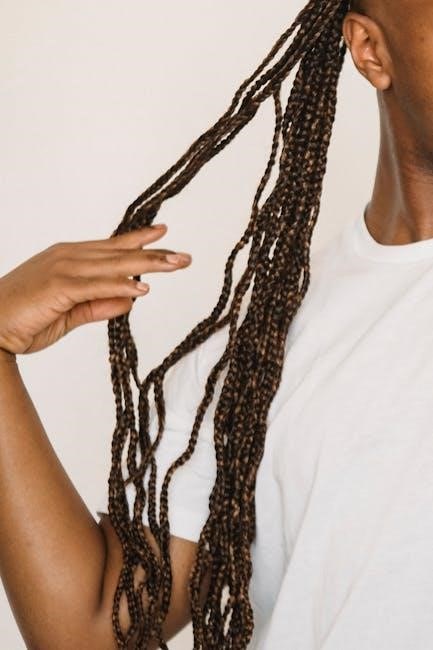
Parting hair for braids requires precision to ensure a neat, symmetrical, and visually appealing result․ The technique varies depending on the braid style – from simple three-strand braids to intricate cornrows or French braids․ Clean, defined parts are crucial for preventing tangling and creating a polished finish․
For basic braids, sectioning the hair into equal parts is key․ Use a comb to create straight lines, ensuring each section is the same width․ For cornrows, a hair parting chart can be incredibly helpful, outlining the desired pattern and section sizes․ These charts often depict grid-like structures or curved designs․
When braiding, maintain consistent tension throughout the parting process․ A helpful tip is to use clips to secure each section as you work, preventing them from merging․ Consider using a rat-tail comb for extremely precise parting, especially for detailed braid patterns․
Remember to work in small, manageable sections․ This will make the braiding process easier and result in a cleaner, more professional-looking braid․ Practice and patience are essential for mastering the art of parting hair for braids․
Braiding Hair Parting: Specific Methods
Braiding hair parting encompasses several specific methods tailored to different braid styles․ For cornrows, the “grid method” involves creating a series of parallel lines, forming a canvas for the braids․ Alternatively, the “freehand method” allows for more organic, curved designs, requiring a skilled hand and a clear vision․
French braids and Dutch braids necessitate a three-strand parting technique, continuously adding sections as you braid․ Maintaining consistent section sizes is vital for a uniform look․ A slight diagonal parting can add volume and visual interest to these styles․
Box braids require precise square or rectangular sections, often achieved using a rat-tail comb and clips to secure each partition․ The size of the sections dictates the thickness of the braids․ For fishtail braids, a two-strand parting method is employed, creating a delicate and intricate pattern․
Regardless of the method, a clean parting line is paramount․ Utilize a styling product like edge control to smooth flyaways and define the parts, ensuring a polished and long-lasting braided style․
The Impact of Parting on Face Shape
Hair parting significantly influences how your face appears, creating illusions of symmetry, length, and width․ For round faces, a deep side part or off-center parting is ideal, elongating the face and adding definition․ Avoiding a strict middle part, which can accentuate roundness, is crucial․
Oval faces are incredibly versatile and can pull off almost any parting style․ A middle part creates balance, while a side part adds a touch of asymmetry and sophistication․ Experimentation is encouraged!
Heart-shaped faces benefit from parts that add width to the chin area․ A side part with volume at the jawline helps balance the narrower chin․ A middle part can also work, softening the overall look․
Square faces are softened by side parts and layers that frame the face․ A deep side part can minimize angularity, while avoiding harsh, straight parts is recommended․ Consider a diagonal part for added softness and volume․
Ultimately, the best parting for your face shape is one that makes you feel confident and comfortable․
Advanced Hair Parting Concepts
Hair parting evolves beyond basics with techniques like changing your part, avoiding strain, and celebrity-inspired styles․ Understanding growth patterns and medium hair styling adds nuance․
Experimentation and mindful practices unlock advanced styling potential․
Changing Your Part: What to Expect
Switching your hair part can dramatically alter your hairstyle’s volume and overall appearance, but it’s not always a seamless transition․ Initially, you might experience some awkwardness as your hair adjusts to the new direction․ Hair is accustomed to falling a certain way, and forcing it into a new pattern requires a period of retraining․
Expect a flatter look at first, particularly if you’re moving from a side part to a middle part․ This is because the hair lacks volume at the roots in the new parting area․ Consistent styling and patience are key․ You may find your hair feels resistant or falls back to its original part easily․ Using a texturizing spray or mousse can help provide grip and encourage the hair to stay in place․
Be prepared for a potential “re-growth” phase where your hair seems to have a mind of its own․ It might take several days or even weeks for the new part to become established․ Avoid constantly switching back and forth, as this will only prolong the adjustment period․ Consider the shape of your face; a change in parting can highlight or soften certain features․ It’s a journey of experimentation, so embrace the process!
Avoiding Hair Strain from Parting
Consistent tension on the hair follicles from a tightly defined or frequently changed part can lead to breakage and even traction alopecia․ To minimize strain, avoid creating excessively sharp or precise partings, especially if your hair is fine or fragile․ Opt for softer, more diffused lines instead․
If you typically wear your hair in a tight side part, alternate with looser styles or a middle part to distribute the stress․ Avoid pulling the hair too taut while creating the part; gentle manipulation is crucial․ Regularly switching your part can help prevent localized strain, but avoid doing so too frequently, as constant change can also be disruptive․
Consider your hair’s natural fall․ Working with your hair’s inclination, rather than forcing it into an unnatural position, reduces stress․ Protective styles, like braids or loose updos, can provide a break from parting altogether․ Nourishing your scalp and hair with regular conditioning treatments strengthens follicles and improves resilience, lessening the impact of styling․ Remember, healthy hair is less prone to damage․
Celebrity-Inspired Hair Parting Styles
Celebrities consistently showcase the power of a well-placed part․ Zendaya frequently rocks a deep side part, adding instant glamour and highlighting her features, a style easily replicated for a dramatic effect․ Blake Lively is known for her effortless, often slightly messy, middle parts, embodying a relaxed yet chic aesthetic․
Beyoncé often utilizes a sleek, straight middle part, demonstrating its versatility for both casual and formal looks․ Conversely, Jennifer Lopez frequently opts for a voluminous side part, creating lift and showcasing her hair’s fullness․ Margot Robbie has been seen sporting a subtle diagonal part, adding a touch of asymmetry and modern flair․
These stars demonstrate that the “right” part isn’t a fixed rule, but a dynamic element of style․ Observing how celebrities adapt their partings to complement their outfits, makeup, and overall vibe provides excellent inspiration․ Don’t be afraid to experiment and find what flatters your face shape and personal style, drawing cues from these iconic looks․
Hair Parting and Hair Growth

The relationship between hair parting and growth is often underestimated․ Consistently parting your hair in the same place for extended periods can potentially lead to traction alopecia, a type of hair loss caused by repetitive strain on the hair follicles․ This is especially true if the parting is tight or combined with hairstyles that pull on the scalp․
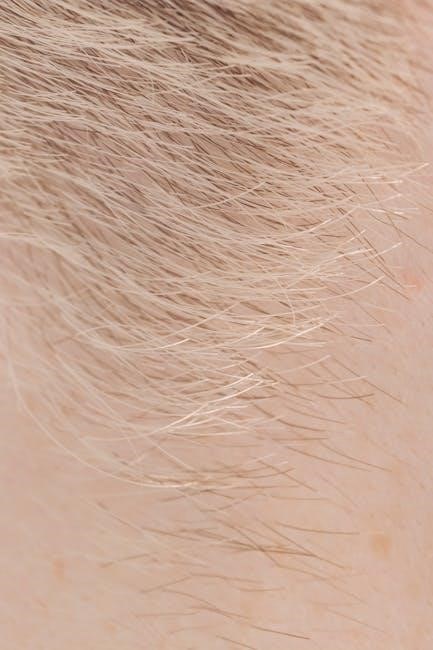
However, simply changing your part doesn’t automatically stimulate significant new growth․ Hair growth is primarily determined by genetics, nutrition, and overall scalp health․ That said, varying your part can distribute tension more evenly, preventing localized stress and potentially promoting healthier growth patterns over time․
If you notice thinning along your usual parting line, switching to a different part and incorporating scalp massages can be beneficial․ Avoiding overly tight styles and prioritizing gentle hair care practices are crucial for maintaining healthy hair growth, regardless of your parting preference․ Remember, consistency in care is key․
Medium Hair Parting: Styling Tips
For medium-length hair, parting versatility truly shines․ A medium part – neither a dramatic side sweep nor a stark center – offers a balanced look suitable for many face shapes․ It’s a fantastic starting point for experimenting with different styles․
To achieve a polished medium part, use a fine-tooth comb for precision․ A little hairspray can help keep flyaways at bay, especially with finer textures․ Consider adding texture with waves or curls; a slightly messy medium part exudes effortless chic․
If you’re aiming for volume, try backcombing gently at the roots along the parting line․ For a sleeker look, apply a smoothing serum before parting․ Medium hair length also lends itself well to diagonal parts, creating asymmetry and visual interest․ Don’t be afraid to play with placement – slightly off-center can be incredibly flattering!