Med Surg 1 study guide is essential for nursing students, covering key concepts and topics to prepare for exams and NCLEX.
Overview of Med Surg Nursing
Med Surg nursing involves caring for adult patients with various medical and surgical conditions. This specialty requires a strong foundation in pathophysiology, pharmacology, and nursing skills. Med Surg nurses work in hospitals, clinics, and other healthcare settings, providing high-quality patient care and education. They must be able to assess patients, develop care plans, and implement interventions to promote health and prevent complications. Effective communication and collaboration with interdisciplinary teams are also essential in Med Surg nursing. By staying up-to-date with latest research and best practices, Med Surg nurses can provide excellent care and improve patient outcomes. Med Surg nursing is a rewarding career that offers many opportunities for growth and development. With the right education and training, nurses can succeed in this challenging and fulfilling field. Med Surg nurses must be flexible and adaptable, able to think critically and make sound judgments in fast-paced environments. They must also be compassionate and empathetic, providing emotional support and education to patients and families. By combining technical skills with interpersonal skills, Med Surg nurses can make a positive impact on patients’ lives. Med Surg nursing is a dynamic field that continues to evolve, with new technologies and innovations emerging regularly. As a result, Med Surg nurses must be committed to lifelong learning, staying current with latest developments and advances in the field. By doing so, they can provide the best possible care for their patients and contribute to the advancement of Med Surg nursing.
Importance of Studying Med Surg 1
Studying Med Surg 1 is crucial for nursing students, as it provides a solid foundation in medical-surgical nursing. This knowledge is essential for providing high-quality patient care and preparing for the NCLEX exam. By mastering Med Surg 1 concepts, students can develop critical thinking skills, improve patient outcomes, and enhance their career prospects. Effective study habits and test-taking strategies are also critical for success in Med Surg 1. Students can utilize various study resources, such as online tutorials, practice exams, and study guides, to supplement their learning and stay on track. Additionally, active learning techniques, such as group discussions and case studies, can help students engage with the material and retain information more effectively. By prioritizing their studies and staying motivated, students can achieve their goals and succeed in Med Surg 1. Furthermore, seeking guidance from instructors and peers can provide valuable support and feedback throughout the learning process. With dedication and hard work, students can overcome challenges and excel in Med Surg 1, setting themselves up for success in their future nursing careers.

Fluid and Electrolyte Balance
Fluid and electrolyte balance is crucial for maintaining homeostasis. Understanding the concepts of fluid and electrolyte balance is essential for nursing students.
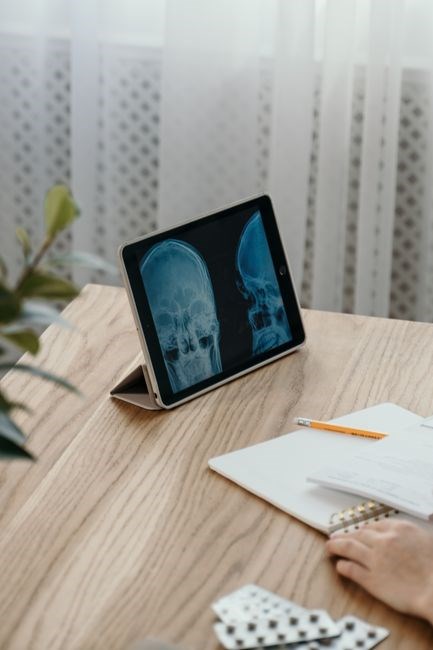
Treatment of Fluid and Electrolyte Imbalance
Treatment of fluid and electrolyte imbalance involves correcting the underlying cause. This can include fluid replacement, electrolyte supplementation, and medications to manage symptoms. Oxygen therapy may also be used to accelerate reabsorption of embolic bubbles.
Additionally, recompression may be necessary to restore normal fluid and electrolyte balance.
Nursing students should understand the importance of monitoring fluid and electrolyte levels to prevent complications.
By recognizing the signs and symptoms of fluid and electrolyte imbalance, nurses can provide effective treatment and care for their patients.
It is essential for nursing students to study and understand the concepts of fluid and electrolyte balance to become competent nurses.
The treatment of fluid and electrolyte imbalance requires a comprehensive approach, including laboratory tests, physical assessment, and medication management.
Nursing students should focus on developing their critical thinking skills to evaluate patients with fluid and electrolyte imbalance and provide effective care.
By understanding the pathophysiology of fluid and electrolyte imbalance, nurses can develop effective treatment plans and improve patient outcomes.
The importance of fluid and electrolyte balance cannot be overemphasized, and nursing students should strive to master this concept to become proficient nurses.
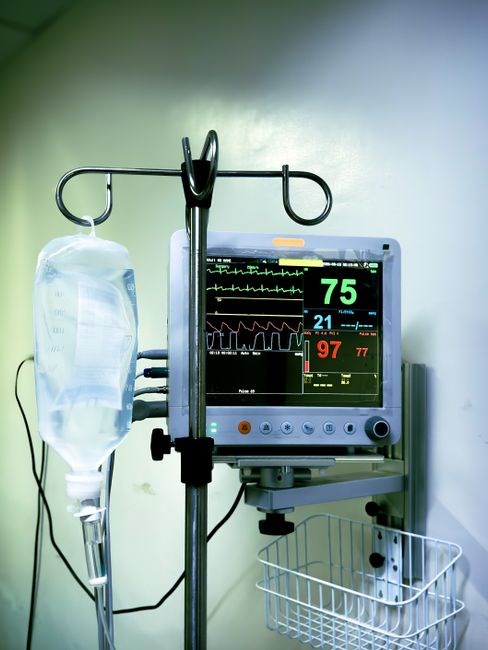
Enteral Feedings and Fluid Loss
Enteral feedings involve feeding a patient through their GI tract, using a nasogastric (NG) tube or nasointestinal tube.
This method is used when a patient is unable to eat or swallow food normally.
Enteral feedings can be continuous or intermittent, and the type of feeding will depend on the patient’s individual needs.
It is essential to monitor the patient’s fluid status during enteral feedings, as fluid loss can occur due to diarrhea or vomiting.
Catheters used for enteral feedings can also be a source of fluid loss, and nurses should be aware of this potential complication.
Using Keofeed or Doboff tubes can help minimize fluid loss, as these tubes are designed for feeding and medication administration.
Nurses should monitor the patient’s output and adjust the feeding schedule as needed to prevent fluid loss and ensure adequate nutrition.
Enteral feedings require close monitoring and careful management to prevent complications and ensure the patient receives adequate nutrition;
By understanding the principles of enteral feedings, nurses can provide high-quality care and support to patients who require this type of feeding.
Enteral feedings are an essential part of medical care, and nurses should be knowledgeable about the different types of enteral feedings and their indications.
Nurses should also be aware of the potential complications associated with enteral feedings, such as aspiration and fluid loss, and take steps to prevent them.

Med Surg Exam 1 Study Guide Notes
Med Surg exam notes cover key topics and concepts to help nursing students prepare for exams, including fluid balance and electrolytes.

Understanding Nasogastric and Nasojejunal Tubes
Nasogastric (NG) and nasojejunal (NJ) tubes are used for enteral feedings and medication administration. NG tubes go through the nose and into the stomach, while NJ tubes go through the nose and into the intestine. These tubes have single or double lumens, with Salem Sump Tubes being an example of double lumen tubes used for decompression. Keofeed and Doboff tubes are examples of single lumen tubes used for feeding and medication administration. Understanding the types and uses of these tubes is crucial for nursing students, as it helps them to provide proper care and management of patients with these tubes. The placement and verification of these tubes are also important to ensure patient safety and effective treatment. By studying and understanding nasogastric and nasojejunal tubes, nursing students can develop the knowledge and skills needed to provide high-quality care to their patients.
Lumens and Their Role in Medical Procedures
Lumens are the inner spaces in tubes that transport liquids, gases, or surgical devices during medical procedures. In the context of nasogastric and nasointestinal tubes, lumens play a crucial role in feeding, medication administration, and decompression. Single lumen tubes, such as Keofeed and Doboff tubes, are used for feeding and medication administration, while double lumen tubes, such as Salem Sump Tubes, are used for decompression and fluid removal. Understanding the role of lumens in medical procedures is essential for nursing students, as it helps them to provide proper care and management of patients with these tubes. The size and type of lumens can affect the flow of fluids and gases, and nursing students should be aware of the different types of lumens and their uses in medical procedures; By studying and understanding lumens, nursing students can develop the knowledge and skills needed to provide high-quality care to their patients, and improve patient outcomes in a variety of medical settings.

Medsurg Nursing Study Guide
Med-surg nursing study guide is a comprehensive resource for nursing students, covering key concepts and topics to prepare for exams and NCLEX.
NCLEX Prep and Exam Readiness

NCLEX prep is crucial for nursing students, and a comprehensive study guide can help with exam readiness. The guide covers key concepts and topics to prepare for the NCLEX exam, including medication administration, pharmacology, and patient assessment. A well-structured study guide can help nursing students stay organized and focused on their goals. Additionally, practice questions and case studies can help students apply their knowledge and develop critical thinking skills. With a comprehensive study guide and dedicated preparation, nursing students can feel confident and prepared for the NCLEX exam, and achieve their goals of becoming a licensed nurse. The study guide can be used in conjunction with other resources, such as online tutorials and study groups, to provide a comprehensive learning experience. By using a comprehensive study guide and staying committed to their goals, nursing students can succeed on the NCLEX exam and achieve their dreams of becoming a successful nurse.

Printable and Digital Study Guides
Printable and digital study guides are available for med surg 1, offering flexibility and convenience. These guides can be downloaded as PDFs and printed or accessed on tablets and smartphones. The digital format allows for easy navigation and search functionality, while the printable format provides a tangible resource for note-taking and review. Many study guides are crafted by nurse educators and experts in the field, ensuring accuracy and relevance to the med surg 1 curriculum. With printable and digital options, students can choose the format that suits their learning style and preferences, making it easier to stay organized and focused on their goals. The guides can be used in conjunction with other study materials, such as textbooks and online resources, to provide a comprehensive learning experience.
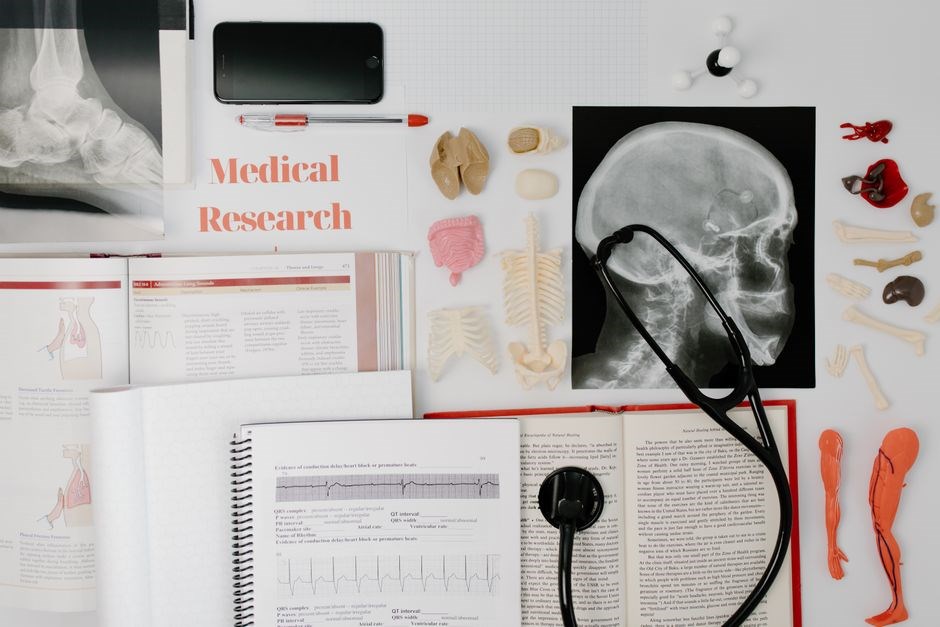
MED SURG TEST 1 Study Guide
Med Surg Test 1 study guide covers unit one topics, including key concepts and questions to help students prepare for the exam.
Nursing Management of Acute Diverticulitis
Nursing management of acute diverticulitis involves monitoring for complications such as perforation, peritonitis, and hemorrhage. Immediate surgical intervention is necessary if complications occur. Nurses play a crucial role in managing symptoms, administering medications, and providing patient education. A comprehensive understanding of diverticulitis is essential for effective nursing management. Assessment and intervention strategies are critical in preventing further complications and promoting optimal patient outcomes; By understanding the pathophysiology of diverticulitis, nurses can develop individualized care plans that address the unique needs of each patient. This knowledge is essential for providing high-quality patient care and promoting positive health outcomes.
Complications and Surgical Intervention
Complications of diverticulitis can be life-threatening and require prompt surgical intervention. Perforation of the colon can lead to peritonitis, a serious infection of the abdominal cavity. Hemorrhage is another potential complication, which can be controlled with transfusion and surgical intervention; Surgical intervention may involve resection of the affected portion of the colon or diverticulectomy. Nurses play a critical role in identifying complications early and providing timely interventions. Post-operative care is also essential to prevent further complications and promote healing. Understanding the indications for surgical intervention and the types of surgical procedures is crucial for nurses to provide high-quality patient care.